
Goldman Sachs says the boom is just beginning – and it could grow into a trillion-dollar market. From Moneyweb.

You can also listen to this podcast on iono.fm here.
While Wall Street may be framing stablecoins as a trillion-dollar opportunity, crypto company Yellow Card is stamping its presence across Africa and other emerging markets where stablecoins aren’t just speculative assets, they’re a financial lifeline.
Listen/read:
USD stablecoins are displacing bitcoin as SA’s preferred crypto [Dec 2024]
How to make your crypto sweat
Stablecoins are proving hugely popular in countries with weak local currencies, including Nigeria, Ghana and Malawi. The difficulty until now has been bridging the gap between stablecoins and traditional finance.
The recent partnership between Visa and Yellow Card solves that problem. Kamogelo Mosime, SA country manager for Yellow Card, sees a new African gold rush on the horizon as use cases for stablecoins multiply.
“One of the biggest challenges for stablecoin users was moving between crypto and fiat seamlessly,” he says.
“And there’s a myriad of reasons for why that was an issue, but if you look at converting digital USD into usable local currency or card payments, that has always been quite a challenge, whether it was on the a regulatory front or the banking front.
“Through this integration with Visa’s global network, what Yellow Card customers can now essentially do is they can instantly fund or cash out using Visa cards. They can use Visa’s secure infrastructure to settle and reconcile,” says Mosime.
“And the big one is they can access stablecoins for cross-border payments while still having a familiar on or off ramp in their local market.”
Businesses can now remit money across borders using stablecoins, something that is a game-changer for companies across the continent.
“What it effectively means is now you’ve got digital dollars and those digital dollars now plug into the same payment rails that power everyday commerce.”
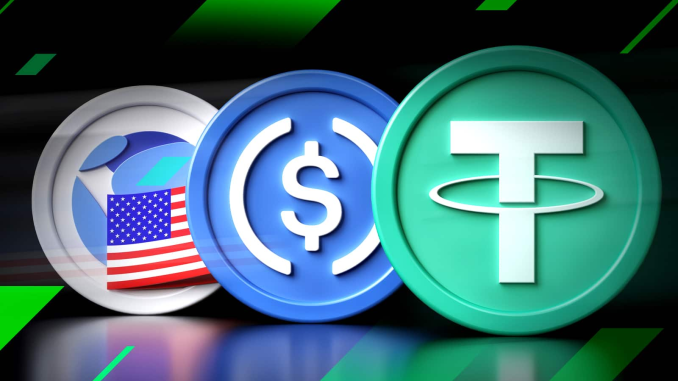
Stablecoins are no passing fad, insists Mosime. “If you look at countries like Nigeria, Ghana, or Zimbabwe, people have seen their currencies lose double-digit value on an annual basis. US dollar-pegged stablecoins like USDT or USDC now give individuals and businesses a way to store value in something that’s more predictable.
“The second part of it is remittances and cross-border trade,” he adds.
“Africa has the highest remittance costs in the world. We’re averaging about 7-9% per transaction. Stablecoins now have brought those costs down below 2%, and also increased the speed at which these remittances take place. You’re not waiting a matter of days, but now it’s happening instantaneously, at the most a couple of minutes.”
This opens up huge trade and business opportunities for SMEs previously struggling to gain access to scarce USD through their central banks. It’s a massive pivot point for the continent.
Momise adds that stablecoins come with the added benefit of a complete and accurate audit trail, made possible by the blockchain. The intention is not to compete with the banks and the payments companies, but to complement them in a new financial architecture that makes stablecoin storage and spending as easy as paying with a Visa or Mastercard. That day has now arrived and will grow as new partnerships are developed.
This podcast outlines a fascinating glimpse into a near future in which millions of people across Africa will have access to secure methods of saving and spending.
