
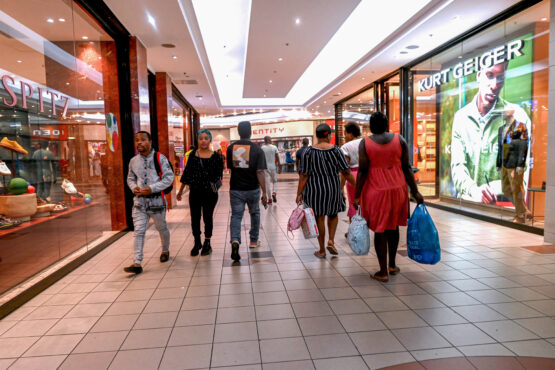
Financial stocks were up more than 1% on Thursday as the latest 0.25bps interest rate cut boosted equities across the board. The rate cut reduces the prime lending rate to 10.25%. From Moneyweb.
Thursday’s 0.25 basis points cut in prime lending rates is the sixth since rates peaked at 11.75% in May 2023.
The latest cut brings prime lending rates to 10.25% and appears to have caught some analysts by surprise.
The reduced inflation target of 3% plus or minus one percentage point – the previous target was 3-6% – announced by the South African Reserve Bank (Sarb) has ignited optimism that SA is serious about getting both inflation and debt servicing costs under control.
Year-on-year consumer inflation fell from 3.2% in January to 2.7% in March before edging up to 3.6% in October. However, the 3.15% average for the year remains firmly within the Sarb’s target.
Listen: National Treasury affirms inflation target of 3%
Inflation started the year subdued, assisted by a stronger rand and lower global commodity prices, but accelerated mid-year due to higher food and energy prices.
Reasons for the cut
The latest rate cut is a reward for strong tax revenues for National Treasury, SA’s removal from the Financial Action Task Force (FATF) grey list and S&P Global’s rating upgrade to BB with a positive outlook.
“It genuinely caught me off guard,” says macro strategist Shiven Moodley, CEO of financial advisory Novaque.
“I expected the [Sarb] to maintain a wait-and-see stance and only begin cutting in early 2026, especially with medium-term bond yields stabilising.
“An earlier cut, however, does provide a short-term boost for household consumption heading into the festive period. It also aligns with the broader improvement in SA’s macro narrative.”
Not everyone was surprised. Stanlib chief economist Kevin Lings says the rate cut was anticipated with the Sarb acknowledging recent downward surprises to inflation. This is despite the fact that SA inflation has a modest upward bias.
The rate cut puts an estimated R13 billion in the pockets of South Africans, with half of that coming from savings on consumer debt, and the rest mostly from mortgage and unsecured borrowings.
Listen/read: Borrowed money price tag: What debt is really costing you
On the JSE, the big winners on the day were financials, up 1.1%.
Retail and property stocks rallied strongly, with Mr Price up 7.3%, WeBuyCars 3.7% and Redefine Properties 3.2%.
Woolworths was up 3%, Pepkor 1.8% and Nedbank 1.3% for the day.
The rand weakened to R17.21 to the USD, having broken below R17 in the last week. However, the overall trend remains strong, as the rand started the year at R18.70.
Outlook is good
The outlook for SA has turned more positive in recent months, notes Moodley, with the country’s removal from the FATF grey list. This is reflected in a firmer rand and an improved sovereign risk rating.
Kea Nonyana, analyst at PrimeXBT, says the Sarb’s Monetary Policy Committee (MPC) appears to recognise that with inflation easing and firmly within target, economic conditions had become overly tight.
“By cutting before circumstances demanded it, the MPC has strengthened its credibility and signalled a cautious but clear tilt toward growth without jeopardising its inflation anchor. This is a first for an overly hawkish MPC.”
The rate cut is also good for the farming sector, with a combined debt of R235 billion.
Agricultural Business Chamber of SA chief economist Wandile Sihlobo told the SABC that any easing in the interest burden on this debt is welcome, and the rate cut reflects the improving outlook for the country and the reforms being introduced by the government of national unity [GNU].
It’s a positive signal for property too.
“This sixth rate cut since September 2024 has effectively reduced borrowing costs by 1.5% in the past 14 months,” says Gavin Lomberg, CEO of ooba Home Loans.
“This provides meaningful relief for consumers and reinforces optimism in the country’s recovery. It’s a positive signal for the property market going into 2026.”
