

The prices of over 600 steel products are expected to rise as a result of Itac’s proposed tariff increases. From Moneyweb.
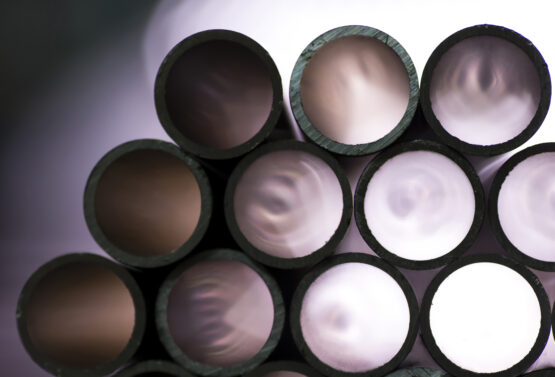
Proposed changes to 460 steel tariff codes are expected to impact more than 16 000 traders and R51.5 billion worth of imports.
This is the warning from XA Global Trade Advisors, which also notes that no more than 85 traders account for about 50% of the total affected imports and will be hardest hit.
Some downstream steel fabricators fear they may have to start retrenching workers.
Read: Steel billet exports increase, scrap metal exports slump
More than 600 different steel products will see increases up to their World Trade Organisation (WTO) bound rates, of between 10% and 30%, according to a preliminary notice published last week by the International Trade Administration Commission (Itac), which oversees SA’s tariff regime. Bound rates are the maximum allowable tariffs under WTO rules.
The purported aim of the increased tariffs is to prevent cheap products, mainly from Asia, from flooding the market.
Earlier this year, Itac announced the largest tariff review in its 22-year history in response to threats by ArcelorMittal South Africa (Amsa) to close down its steel mills in Newcastle and Vereeniging, due to a flood of cheap imports from Asia.
Read/listen:
Rules, not retaliation, guide SA’s trade policy – Itac
Where Trump’s tariffs will hurt most
Tariff lifeline for ArcelorMittal means higher prices for customers
“The problem with Itac’s blanket approach towards import duties is that it doesn’t distinguish between the ‘flooding’ of the South African market with cheaper finished products, predominantly from Asia, but also includes in its punishment the import of good quality, affordable raw steel products from around the world, not produced, or produced at a far higher price, by ArcelorMittal SA or Safal, used by the majority of steel manufacturers and employers in the steel industry,” says the National Employers Association of SA (Neasa) in a statement.
Itac also proposes additional rebates for some steel products that are not available or produced in SA.
Neasa says the problem with this is that the conditions are vague, and subject to permits being issued by Itac, provided the products are not available in the Southern African Customs Union.
A range of products will be subject to import controls. This is particularly concerning for downstream steel producers, as they will now have to apply for permits to import these products, with Itac being the final arbiter of whether or not a permit will be issued.
Global steel problem
“There is a global problem in the steel industry, largely created by China’s massive overproduction,” says David MacKay, CEO of XA Global Trade Advisors.
“This is not a momentary event, so paying attention to this is very important. Amsa is failing, despite being given R2 billion and extremely vigorous protection. The subsidised mini-mills, making steel from scrap metal, are putting even more steel into an already over supplied market, placing further pressure onto Amsa.”
MacKay says the new steel tariff and import control regime could result in forced discounts on local consumption of iron ore and coking coal.
Export duties are also on the cards for bituminous coal and iron ore, which together accounted for more than R210 billion in exports in 2024.
This means coal and iron ore mines, already squeezed by Transnet’s malfunctioning railways and ports, will be required to offer their minerals at a discount locally before being allowed to obtain an export permit.
Read:
Almighty scrap breaks out between steel rivals as ArcelorMittal winds down
Lesufi hails Brics-backed steel firm as Amsa’s future hangs in the balance
Cheap IDC funding ‘placing the complete steel market at risk’
This comes on top of the preferential pricing system (PPS) on scrap steel, which requires dealers to first offer their scrap to local buyers at a 30% discount to international prices, in addition to covering transport costs to the buyer’s premises.
The proposed duty increases will add R6 billion in potential duties collected.
“When you reduce competition, which is what tariffs do, prices tend to rise. When prices rise, consumption usually falls,” adds MacKay.
Some 77% of the proposed Itac tariff increases apply to intermediate goods, 14% to capital goods, and only 9% to goods ready for final consumption. This means the impact will be felt hardest in the downstream sector, which accounts for 90% of the steel industry’s employment.
The largest number of increases apply to ‘Chapter 73’ tariff codes, mainly tubes and pipes. Tariffs will also be applied to ‘Chapter 82’ tariff codes, mainly tools and implements. These were previously duty-free but could see tariffs imposed up to the WTO bound rate of 20%.
In Itac’s hands
Under the proposed import control measures, some 392 tariff codes, with an import value of R44.7 billion, could be affected. MacKay says the rules around import controls are loose, leaving considerable discretion in the hands of Itac.
“Don’t assume because you apply for permit that you will get it,” said MacKay at a presentation on Wednesday. “We don’t know yet what the rules will be on those permits, and it could be far-reaching. These cover a staggering amount of trade.”
Itac has also indicated it intends to start charging for the issue of permits.
Itac plans on forming a committee comprising industry role-players and members of the commission to advise it on steel-related matters. Non-commission members cannot vote so can only advise on the appropriate tariff policy.
“What a sham,” says Neasa in a statement. “Neasa bears first-hand knowledge of the little regard Itac has for any steel industry role-players and their advice on steel matters that does not appease the monopolistic interests of the primary steel producers in South Africa.
“Public comments and submissions, despite the majority being against a proposed decision by Itac, are ignored and filed away somewhere in an Itac Commissioner’s desk drawer.”
“This opens door to legislative overreach, because if you apply for a rebate you must supply turnover, BEE status and other details. Very scary stuff,” says one company executive speaking at the XA Global Trade Advisor presentation. “It’s concerning that they can make a decision on your company’s ability to survive.”
Affected companies have until 3 September 2025 to respond.
