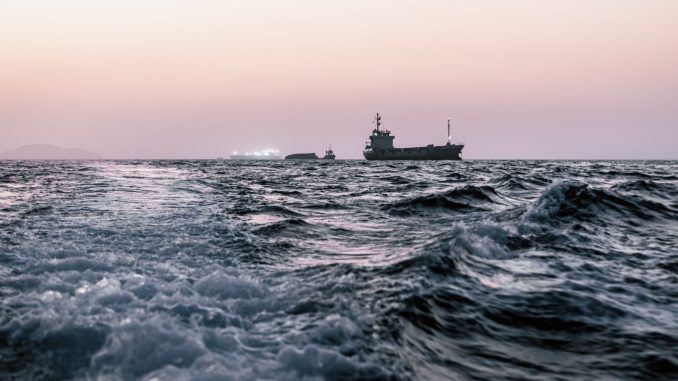
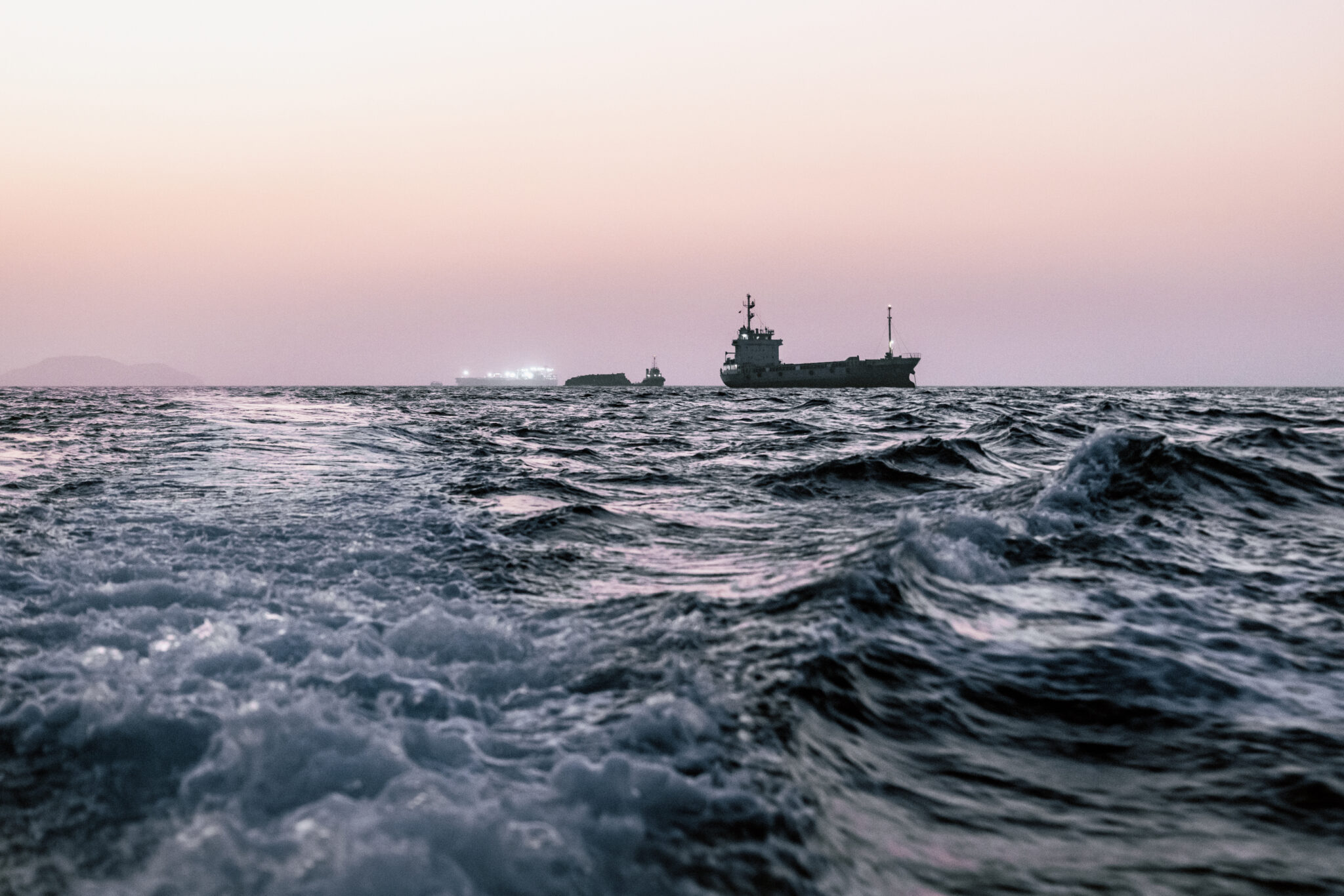
MUSCAT, OMAN - JUNE 21: Oil tankers and cargo vessels remain anchored off Port Sultan Qaboos on June 21, 2026 in Muscat, Oman. The Strait of Hormuz, a vital shipping route for the region's oil and gas, was effectively blockaded since the outbreak of war between the United States and Iran in late February. This week's provisional peace deal between the countries was meant to reopen the waterway to shipping traffic, but the pace of that reopening is unclear amid continued fighting in Lebanon and the need to clear the Strait of sea mines. On Sunday, U.S. Vice President JD Vance arrived in Switzerland for high-level talks with the Iranian delegation, as the two sides seek to clarify the terms of ending the war. (Photo by Elke Scholiers/Getty Images) Photographer: Elke Scholiers/Getty Images Europe
SA’s fuel import bill surges to highest level since 1994
The country has turned to the US and Nigeria to keep fuel flowing as supplies via the Strait of Hormuz are disrupted.
As South Africans were hit with record fuel prices from Wednesday, paying over R30 for a litre of petrol and over R33 for diesel, the economic impact of the war in the Strait of Hormuz is showing up in the country’s soaring import bill.
Nearly one in every four rands South Africa spent on imports in the second quarter of 2026 went towards crude oil and refined petroleum, the highest since 1994, according to Trade & Industrial Policy Strategies (Tips).
The Writer's Room is a curated by Ciaran Ryan, who has written on South African affairs for Sunday Times, Mail & Guardian, Financial Mail, Finweek, Noseweek, The Daily Telegraph, Forbes, USA Today, Acts Online and Lewrockwell.com, among others. In between he manages a gold mining operation in Ghana, and previously worked in Congo. Most of his time is spent in the lovely city of Joburg.